Animism Spirituality

What Is Animism? The Ancient Worldview at the Root of Shamanism

What Is Animism? The Ancient Worldview at the Root of Shamanism

As a kid, I always loved animals, nature and magic. All of my favorite books featured talking animals, young people learning to live harmoniously with nature, and discovering magical powers from that connection. When I read stories about sorceresses healing people with magic, I started practicing "healing spells" on my diabetic dog. I talked with the trees and listened intently to their replies. I learned the personalities of the stones in my backyard.

I didn’t have the words for it at the time, but I later discovered that my childhood worldview was not just my imagination or wishful thinking, but was instead an ancient and fundamental philosophy common to people all over the Earth for thousands of years. And this worldview is known as animism. It is a worldview older than any religion, deeper than any tradition, and more intrinsic than most people realize.

Before there were temples, before there were texts, before there were organized religions, there was animism: the belief that everything is alive. That the tree outside your window has presence. That water has memory and the rivers sing songs of what they have seen. That the mountain watches. This is not mythology. This is the original worldview of people everywhere on Earth, and it is the foundation upon which all Shamanic practice stands.

What Is Animism, Exactly?

Animism is the belief that all things are alive and that all things are connected through a shared web of consciousness. The word itself comes from the Latin anima — the immaterial force that animates form. In animistic understanding, that animating force is not confined to living creatures as science defines them. Stones have anima. Mountains have anima. The elements — fire, water, air, earth — have anima. Nothing is truly inert.

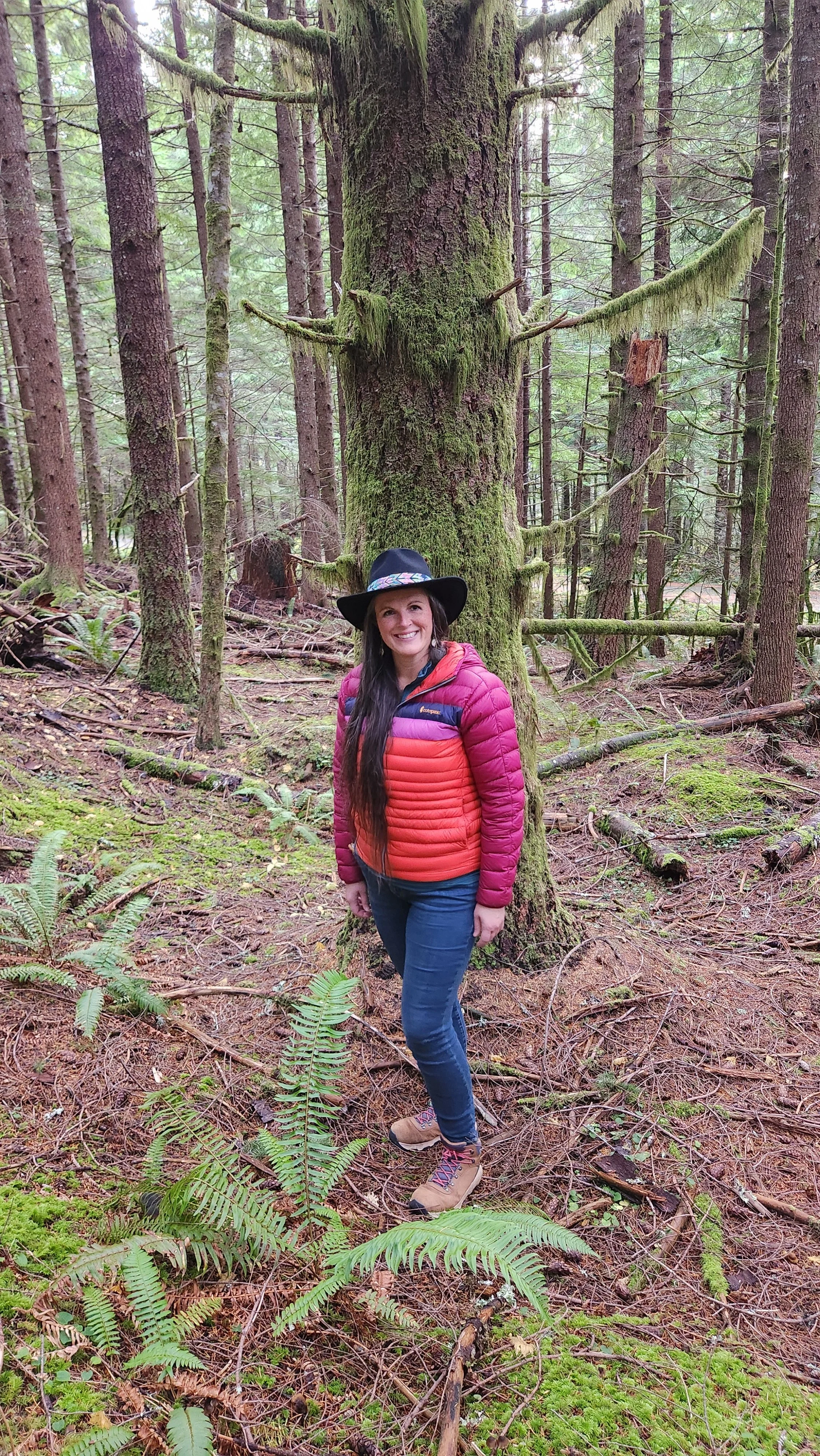
What is Animism Michelle Hawk connecting with nature

You Already Know This

Most of us have already experienced animism, even if we didn’t have the word for it or consciously recognize it at the time. If you’ve ever felt someone’s energy or a presence leave their body at the moment of death, you have felt anima. There is a visceral, unmistakable difference between a body with life in it and a body without. That difference is anima.

If you grew up loving folk tales where animals could speak and trees had personalities and the forest was a living, breathing character, you were responding to animistic storytelling, the oldest form of human story. That sense of everything being alive, everything mattering, everything in relationship — that is animism, and it is your birthright.

Animism Is the Original Human Worldview

Anthropologists have documented some version of animistic belief in every human culture that has ever existed. It is not a tradition that belongs to any one people or any one part of the world. It is the baseline orientation of human beings on Earth. The concept of deities (such as the queen of the ocean, the god of the storm, the spirit of the forest) arose from animism. Before gods were personified, they were forces. Forces of nature. Forces of life. That recognition of aliveness in all things is where religion began.

Non-animistic worldviews are extremely recent in human history. A few thousand years may feel like a long time, but on the scale of human existence on Earth, it is a small blip. The majority of human experience, as seen in the cave paintings, the harvest rituals, the medicine songs, the offerings left at rivers and trees and stones — all of it was animistic.

How Animism Relates to Shamanic Practice

Shamanism is an animistic practice. You cannot separate the two. Shamanic practice is built on the recognition that all things are alive and in relationship with each other, and that we, as humans, have both the capacity and the responsibility to be in conscious, respectful, collaborative relationship with the living world around us.

This is why Shamanic practice involves working with land and nature spirits, communicating with the spirit realm, and developing a personal relationship with the specific plants, animals, elements, and beings of the land where you live. Because if everything is alive, then everything is available as teacher, healer, guide, and ally.

Why Animism Matters Now

We live in a world of profound disconnection — from nature, from community, from our own bodies. Many people feel a deep, unnamed homesickness, like a longing they can’t quite locate or name. Animism offers a frame for understanding that longing: it is the longing to return to relationship. To belong again to the living world. To stop being a witness to nature and become a participant in it.

Shamanic practice is one path back. Not as a regression to some idealized past, but as a reclamation of something ancient and fundamental that has always been available to us. You belong to Life, and Life loves you. And the web of aliveness that animism describes has always been there, waiting for you to remember it.

nimistic earth-based spirituality — the belief that all things are alive as taught by Shaman Michelle Hawk

Beginning Your Animistic Practice

You don’t need a ceremony, a teacher, or a lineage to begin developing an animistic relationship with the world around you. You need attention. The simplest practice is this: go outside. Leave your headphones at home. Walk without a destination. Notice what you notice. A bird that holds your gaze. A tree your hand moves toward. A stone that catches the light in a particular way. These are invitations. This is animism beginning to come alive for you.

Ready to go deeper? Download my free guide, Activate Your Shamanic Gifts (below), to begin exploring your own connection to the living world. Or if you’re ready to commit to a structured path of practice, learn more about the Foundations of Shamanism course here.