Shamanic Healing Blog: Practices, Teachings & Earth-Based Wisdom
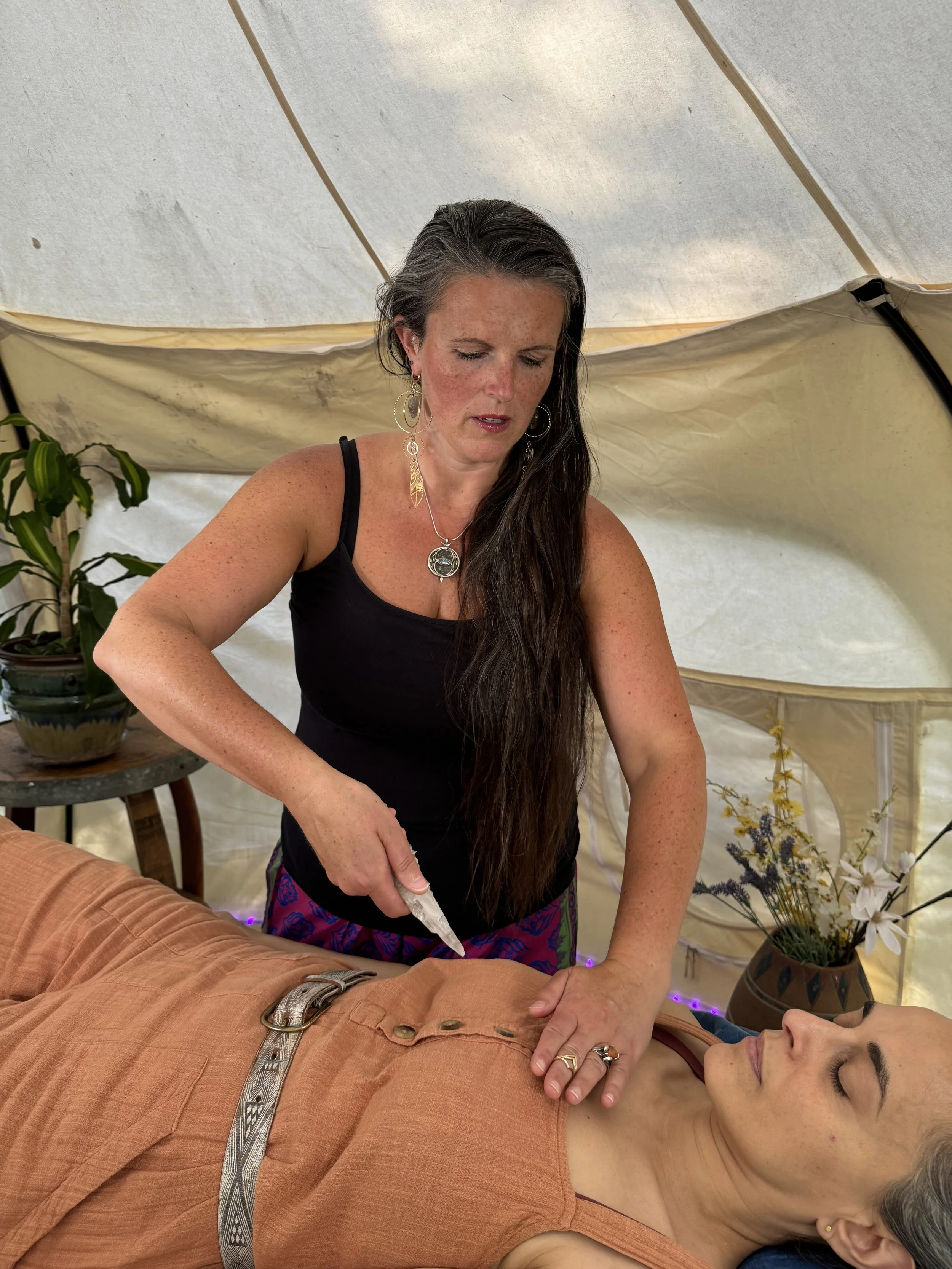
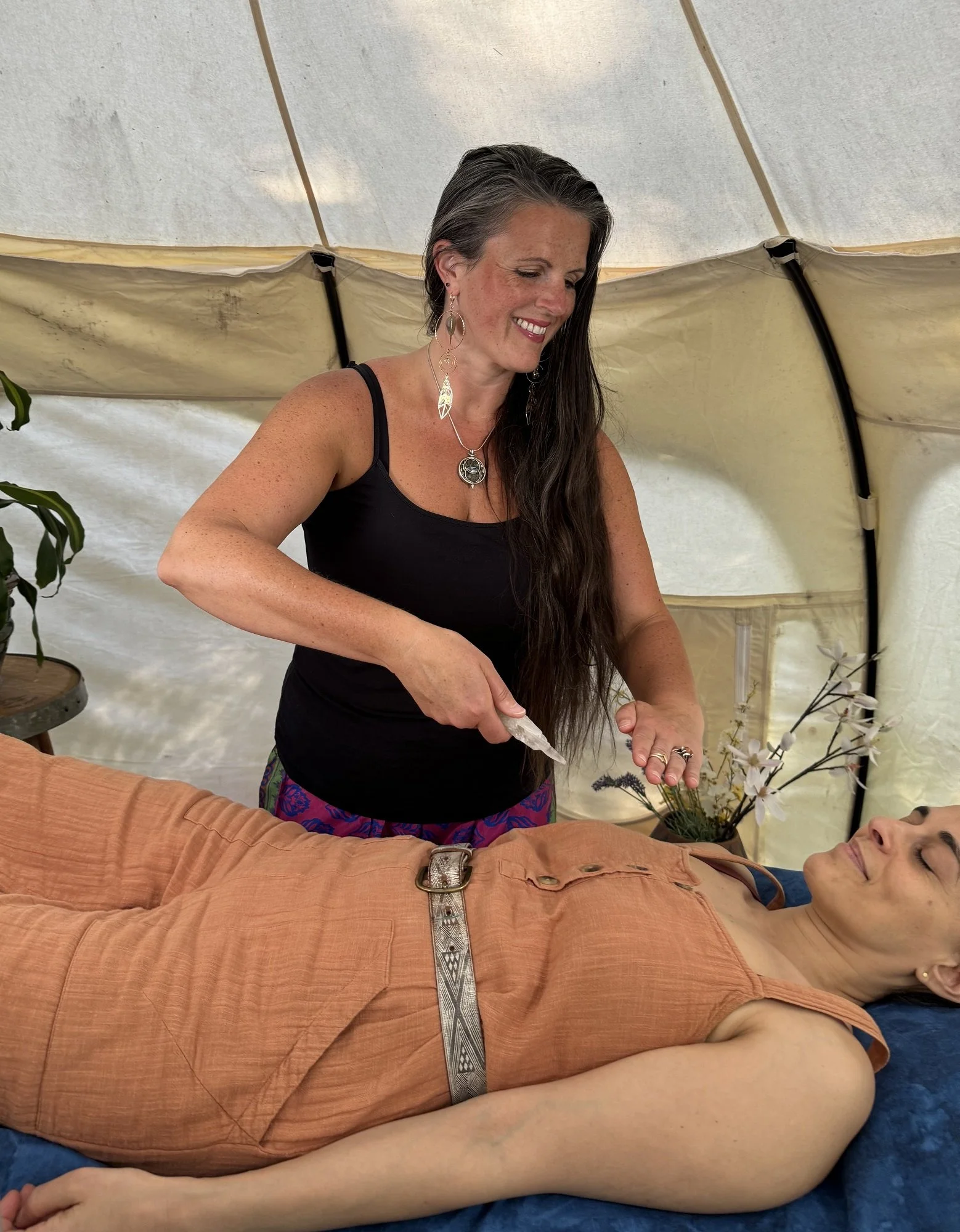
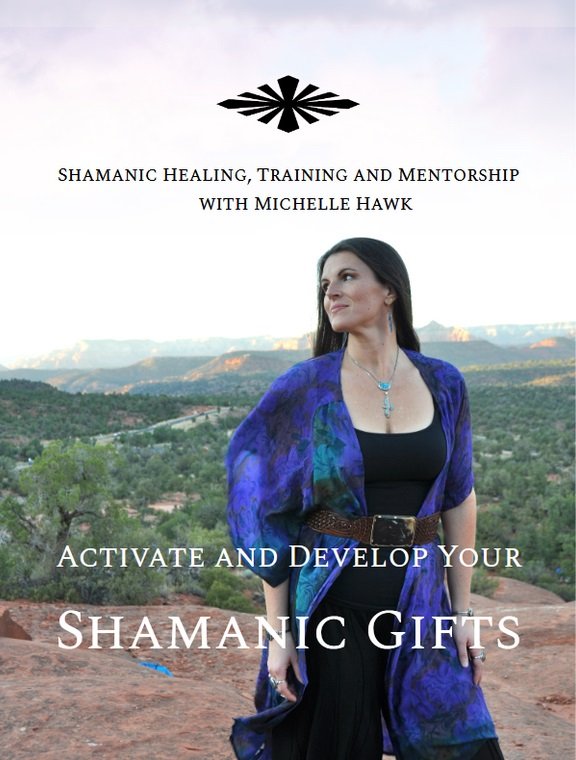
Welcome to Michelle Hawk's Shamanic healing blog — a growing library of articles, teachings and practices on Shamanism, animism, Earth-based spirituality, energetic mastery and the art of living in conscious relationship with the living world. Michelle is a Shamanic healer, mentor and teacher based in Portland, Oregon, with 23 years of practice rooted in Hungarian and Celtic Shamanic lineages. Whether you are new to Shamanism or a developing practitioner, you'll find grounded, thoughtful writing here to support your path. Subscribe to the email list below to receive new articles.
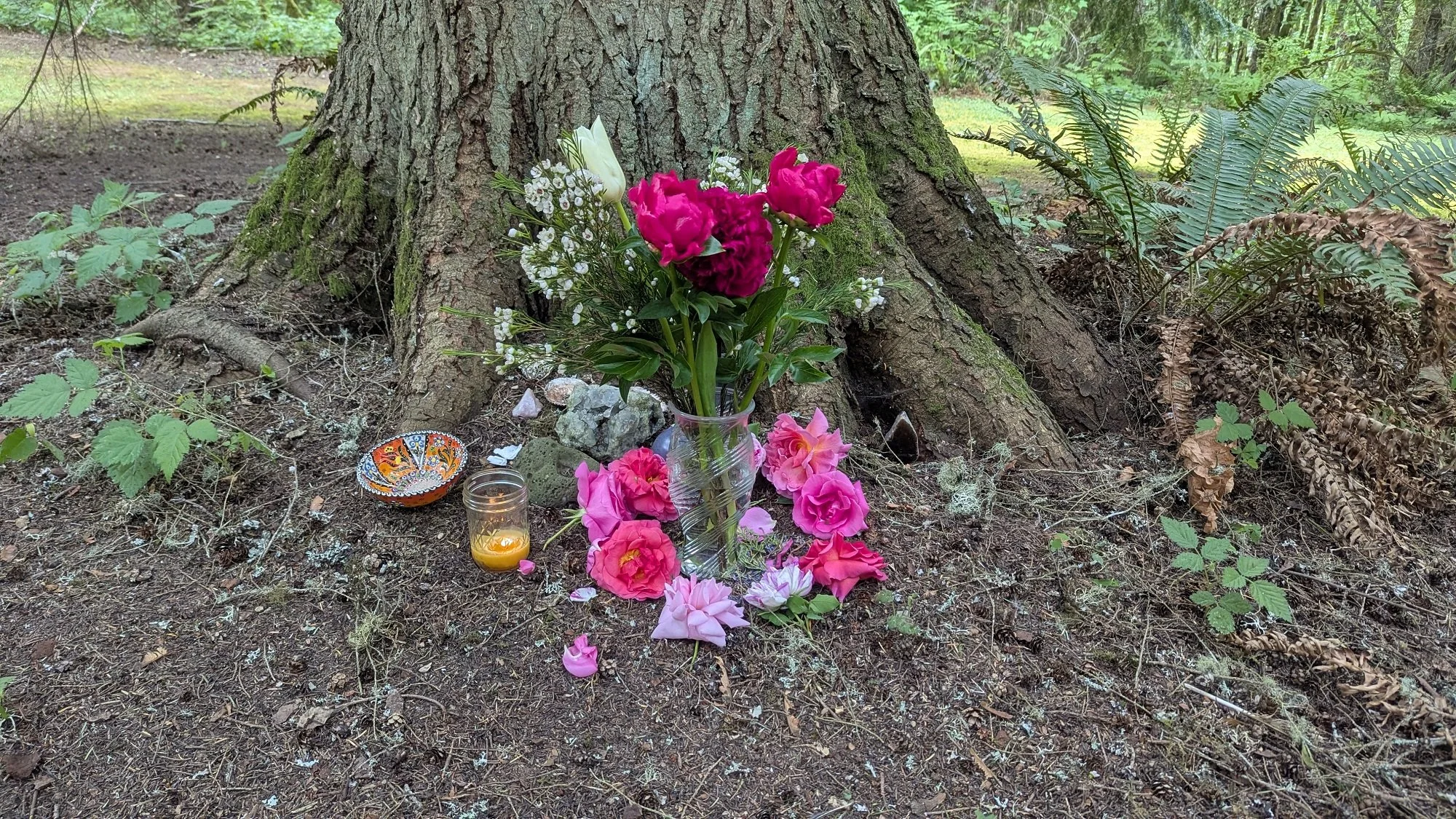
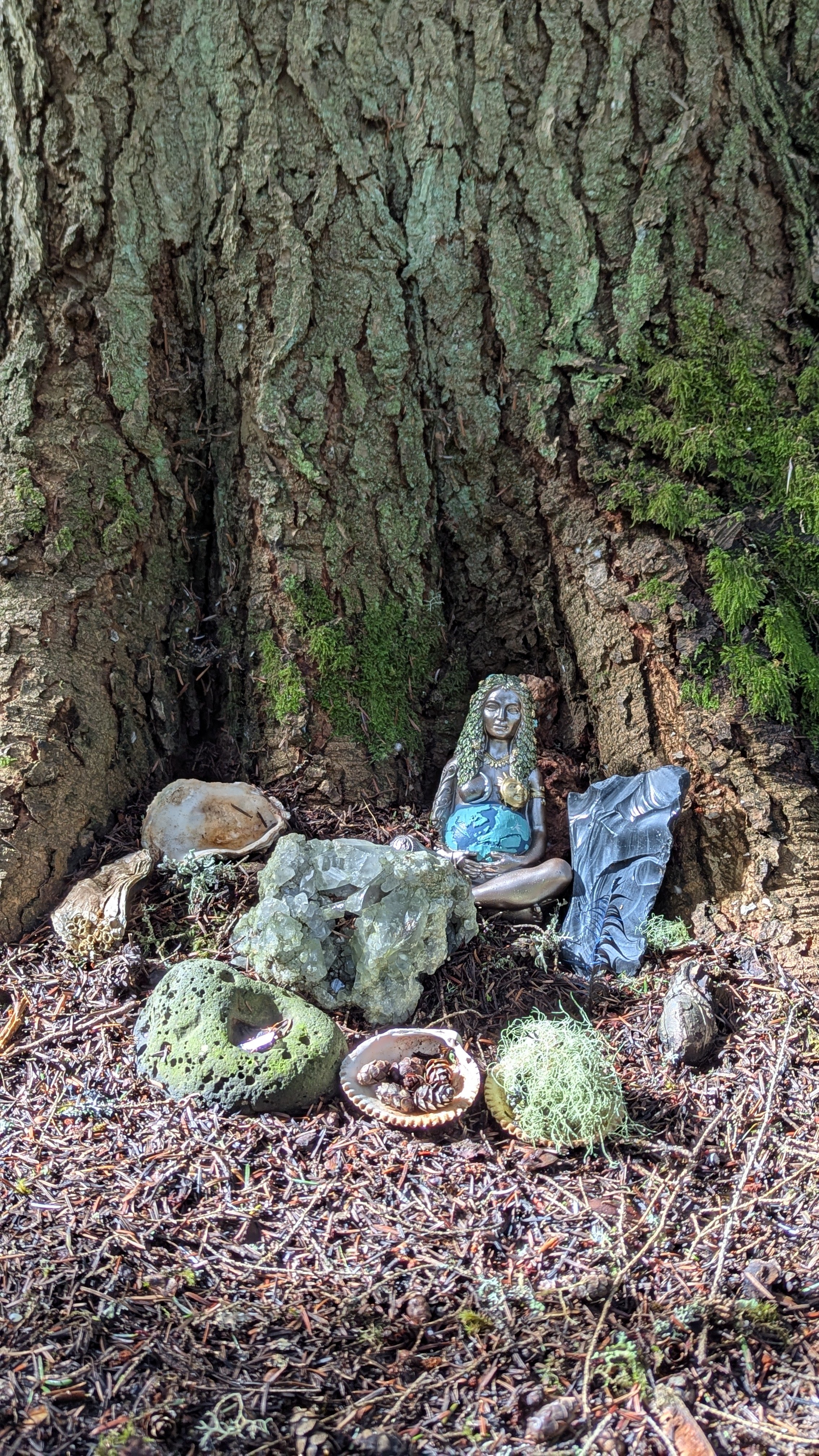
Shamanic offerings are one of the most ancient, most universal, and most misunderstood practices in Earth-based spirituality — yet in modern Western practice they're often reduced to a vague sense of "leaving something nice outside." This complete guide covers the three types of offerings every practitioner should know (gratitude, votive, and feasting), when to make them, what to offer, and a simple practice you can begin today.
Spirit communication is not a mysterious gift available only to a select few — it is a skill, with clear principles and learnable techniques. In this guide I walk you through the nature of communication with the spirit realm, what gets in the way, the three types of spirit relationships, and how to receive messages through both inner perception and outer signs.
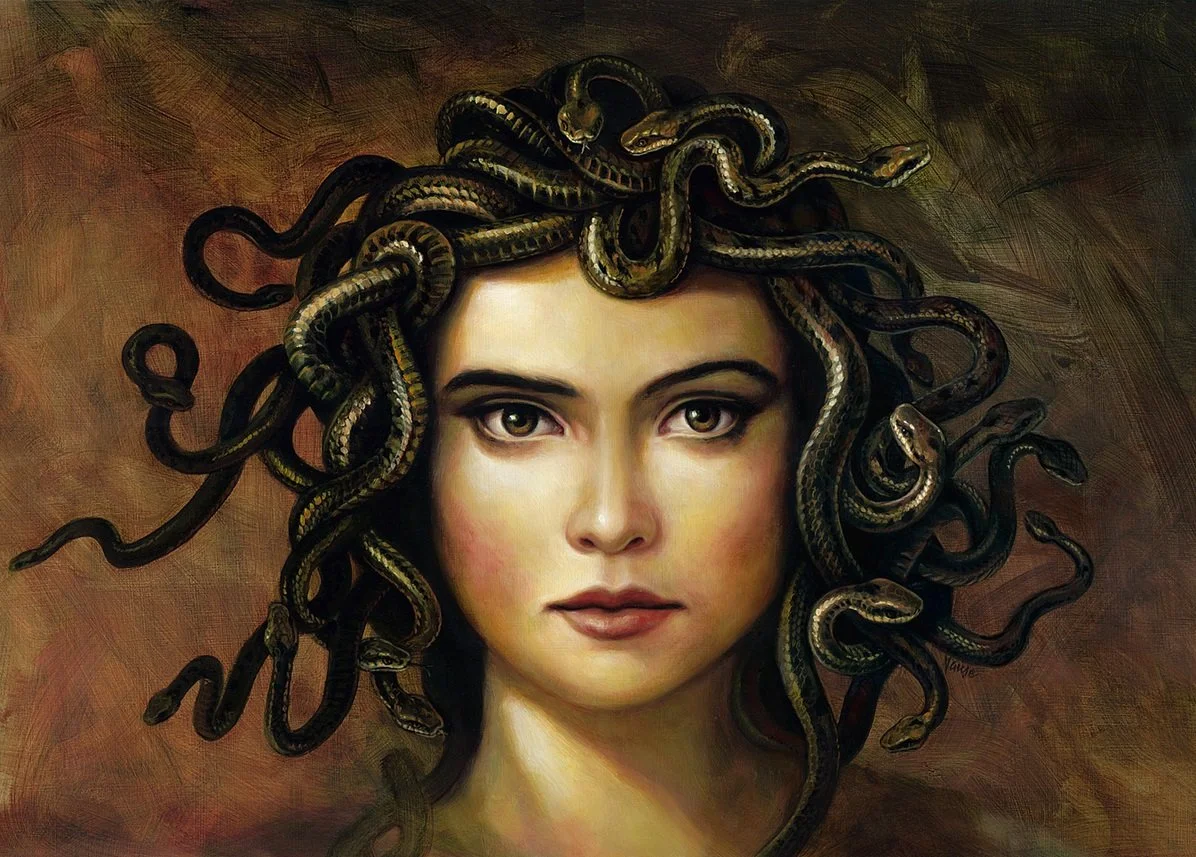
Algol is one of the most powerful — and most misunderstood — fixed stars in Shamanic astrology. Feared for centuries and associated with Medusa's severed head, Algol's true medicine is something far more beautiful: primal feminine power, starseed wisdom, and transformation at the root of a pattern. Here's what it means to work with Algol's stargate portal for healing and galactic transmission.
One of the most distinctive aspects of Shamanic practice is the ability to hold awareness in more than one place, more than one realm, or more than one perspective simultaneously. In Shamanic journeying, healing work, and soul retrieval, this capacity — called bilocation — is not a mystical power but a trainable skill. Here's what it is, why it matters, and how to begin developing it.
Beltane is one of the most alive and potent holy days in the Celtic Wheel of the Year — a fire festival devoted to fertility, abundance, and the sacred creative power of life in full bloom. In Shamanic practice, Beltane is a time to align with the Earth's most generative frequencies and activate what is ready to bloom within you. Here's what Beltane is, why it holds such potent magic, and how I work with it in ceremony.
"How do I know if what I'm experiencing is real, or if I'm just making it up?" This is the question almost every beginning Shamanic practitioner asks — and it points to something essential: the cultivation of energetic fluency. Your ability to sense, feel, project, and direct energy is not a mysterious gift. It's a skill. Here are three practices I teach in the Foundations of Shamanism course to help you develop it.
Energetic mastery is one of the most essential — and most overlooked — foundations of Shamanic practice. Whether you are a healer, bodyworker, therapist, or someone navigating a spiritual awakening, your ability to work consciously with energy determines your safety, effectiveness, and longevity in this work. Here is the six-layer framework I teach — and why protection comes last, not first.
Ethical Shamanic practice is built on relationship, not technique. Over years of practice and teaching, I've distilled the qualities that make this relationship healthy into three core principles: Context, Consent, and Collaboration. These aren't rules imposed from outside — they are the natural expression of genuine, respectful relationship with the living world.
One of the most common wounds I see in my Shamanic healing and mentorship clients is a deep, unnamed homesickness — not for a place they've lived, but for a way of living in relationship with the land. I believe what's missing is our indigeneity: our original, Earth-rooted belonging. And I believe it can be healed.
Land and nature spirits are among the most important — and most overlooked — allies in Shamanic practice. In animistic traditions worldwide, every tree, stone, watershed and animal carries both a physical and an etheric presence. Here's what land and nature spirits actually are, why these relationships matter, and how to begin building them where you live right now.
Last week, my partner and I lost our 20-year-old cat, Chandra. Her crossing brought me back to one of the most significant experiences of my life as a healer — supporting my childhood dog Ginger through her death — and to the role that Shamanic healing plays in the sacred threshold of dying. A personal reflection on death work, animal teachers, and the grace of a good crossing.
The terms "Shaman" and "Shamanic practitioner" are often used interchangeably — but they carry meaningfully different implications around lineage, training, initiation, and accountability. Understanding this distinction matters whether you're exploring Shamanism for the first time, deepening your personal practice, or considering how to describe your own work in the world.
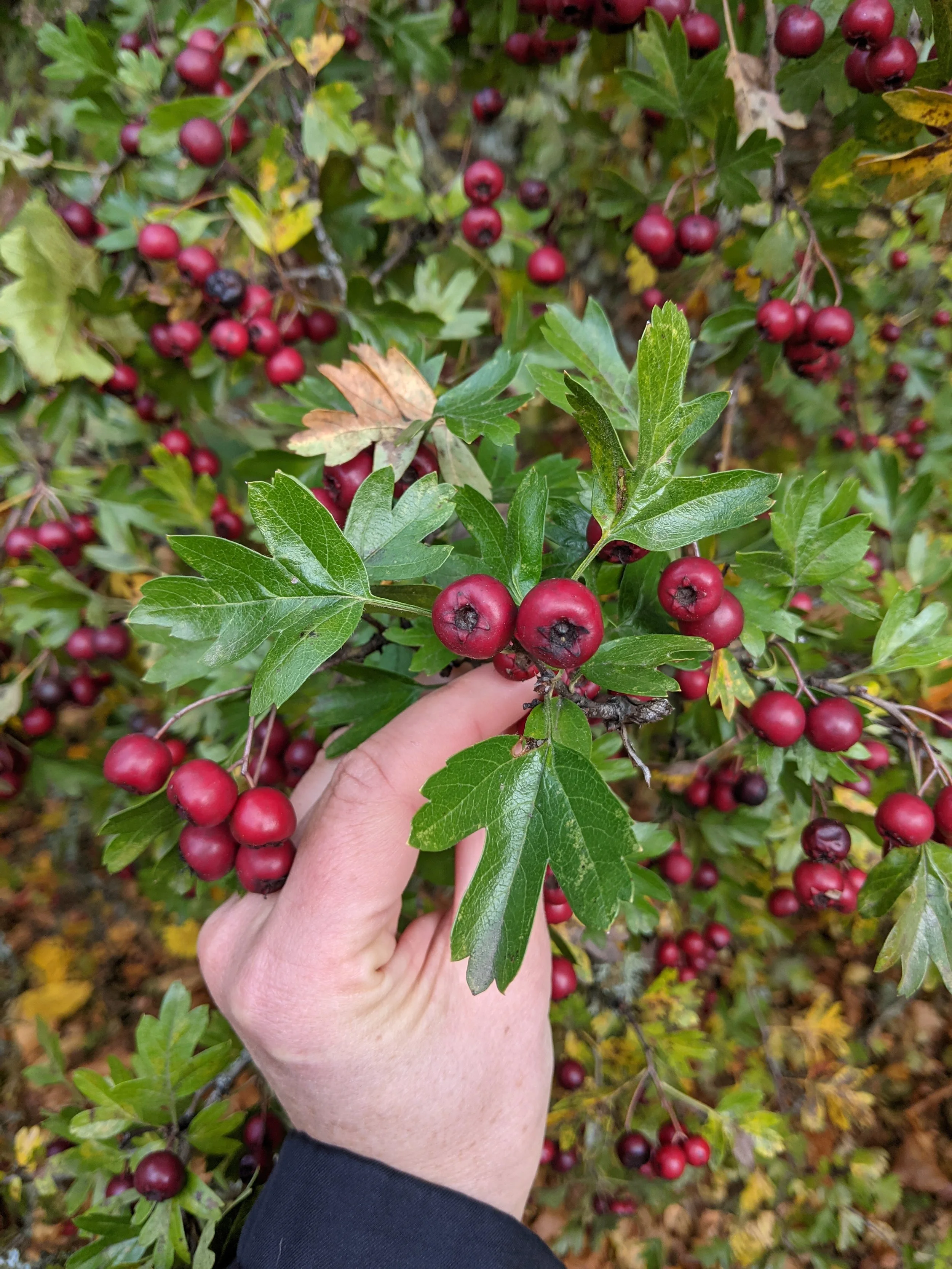
For years, connecting with animals and spirits came easily in my Shamanic practice — but plant mediumship eluded me entirely, no matter how hard I tried. Then in 2019, Stinging Nettle and Hawthorn intervened to wake me up. Here's the story of ancestral remembrance, wildcrafting, and learning to communicate with plant spirits as old, beloved friends.
Before there were temples, before there were texts, before there were organized religions, there was animism: the belief that everything is alive. It is the original worldview of human beings everywhere on Earth, and it is the foundation upon which all Shamanic practice stands. Here's what animism actually is, where it comes from, and why it matters more now than ever.
Looking for older articles? Browse the full archive →