I was awake for a long time on Saturday night following the murder of Alex Pretti and the continued escalation of reprehensible violence by ICE.
As I lay there in the middle of the night, I offered prayers for Alex’s crossing, and prayers for healing, liberation and peace for all those who have been murdered, tortured, traumatized or harmed by ICE, and all their loved ones. I cried and cried.
I’ve been thinking a lot about our country’s situation through the lens of Shamanic healing and Alchemical transformation. Not as an escapist light-washing or spiritual bypassing, but from a sincere desire to understand the powerful transpersonal energetic currents at play and how they are rippling out through specific events and the actions of individual people.
It’s been a potent exercise, but this is the Shamanic path — to maintain one foot in both worlds. To feel deeply the suffering and pain and feel my heart break with compassion and anguish for the wrongs inflicted on my brothers and sisters. And simultaneously, to interface with the Spirit world, to see beyond the material reality into the energetic dynamics and to work with the currents of creation itself for healing and transformation.
And what’s going on right now feels just like an extremely amplified Shamanic entity extraction.
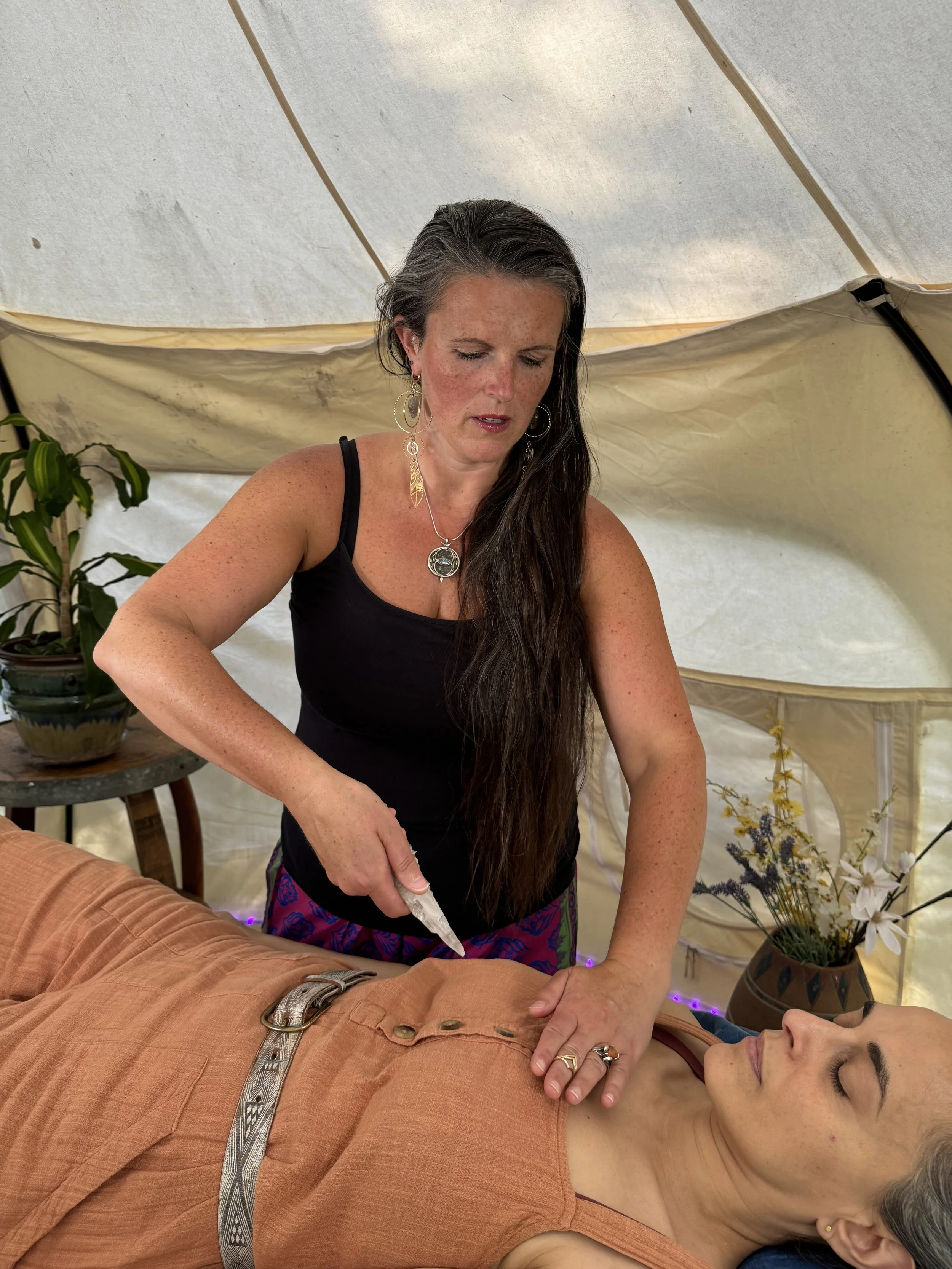
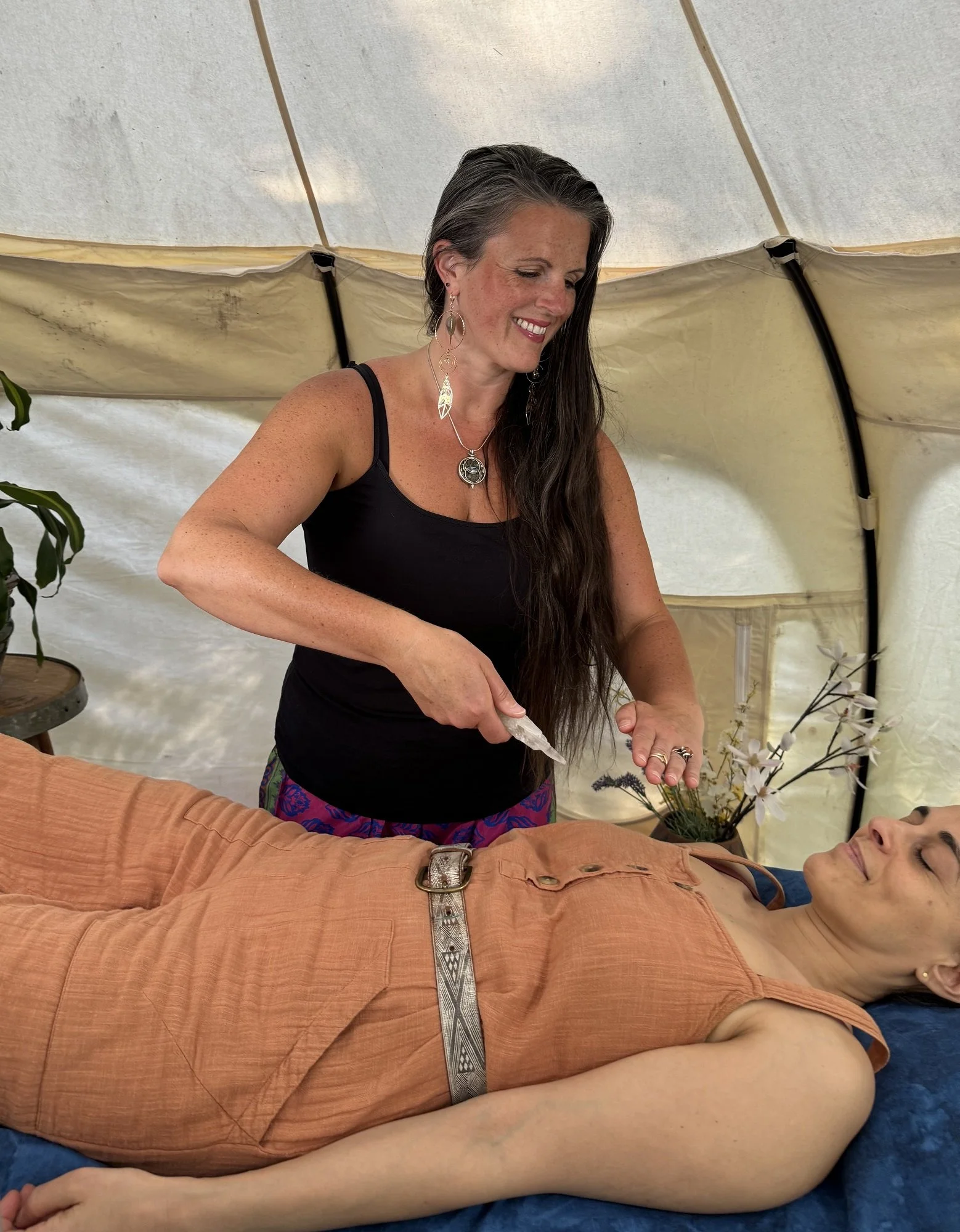
I have performed my fair share of Shamanic extraction work over my 22 years of practice, usually with individual people and a handful of times on behalf of a group (<30 people). Shamanic extractions are often intense but go smoothly, and result in the client’s feeling of profound catharsis and relief.
Only once have I ever performed an extraction where I had an “Oh fuck” moment that really scared me — was I capable of helping this person? Was the energy spiraling out of control? Was this entity that much more powerful than my spirit allies?
(In the end, that extraction was successful and one of the most potent healing sessions I have ever offered. The client’s transformation was like night and day. I will remember it for the rest of my life, and I am so humbly grateful to my spirit team for their extraordinary support.)
In the many Shamanic extractions I have offered over the years, there is a consistent pattern that seems to mirror what we’re seeing now on a huge scale. Once an energy or entity is identified for removal, it often begins to vocalize and lash out. This sometimes expresses as hateful/bizarre words and sounds coming out of my mouth (I warn my clients about this ahead of time), sounds expressing through my client, gagging/coughing, twitches and jerky movements, shaking, nausea, chills, strong visions and emotions.
I have had entities speak the most horrible things through my voice while they are on their way out, and create tremendous physical discomfort for myself and my clients.
To anyone who didn’t know what was happening and didn’t have the tools to move through it skillfully, it would no doubt be terrifying.
And when people are terrified, they can behave in irrational, harmful and violent ways to ensure their survival.
In my contemplation about our collective Shamanic extraction process, I’m wondering about the soul contracts and karma of the individual people who are playing out these collective patterns. Are the ICE agents and fascist sociopaths in government playing out their own trauma and inner shadow in a very hateful way? Have they been consumed by the shadow egregore (a collective thought form that takes on a life force of its own through the energy/participation of many people) of our collective wounding and history of oppression and violence? Is this horrible behavior actually part of some dark service, where they’re giving a voice to the collective shadow that is being liberated on its way out?
I don’t pretend to have definitive answers about any of this. All I have is my 22 years of Shamanic practice and spiritual training, my empathy and my own agency to participate in our collective liberation and healing in the best way I can.
You’ve heard the list by now: call your reps, be a menace, take care of yourself and your community, go protest, stay grounded.
And even though I really hate to tie all of this to selling you something, I genuinely believe the Foundations of Shamanism course is must-have knowledge and practice for everyone (especially in this time of our collective Shamanic extraction).
Are you called to Shamanic practice?
The Foundations of Shamanism
11 week course, March 10 - May 19
In this course, you’ll learn:
Practical skills and easy tools for impeccable energetic hygiene and safety.
Foundational Shamanic practices to connect with Earth and the Spirit realm.
How to anchor your healing, ceremonial or spiritual work into the powerful foundation of your local Earth grid and energetic ecosystem.
Steps and tools to heal and reclaim your own indigeneity.
Shamanic journeying: safety, best practices, tools and instruction.
How to communicate clearly and confidently with Spirit guides and the unseen realms for the purpose of guidance, illumination and healing.
If this work calls to you, email me to get on the First Dibs List and secure the best price for this course!
First Dibs List: $947
Early Bird: $997
Regular Price: $1197 or three payments of $467
First Dibs List is open through February 2. Let me know if your name should be on it.
Many blessings,
Michelle Hawk
Shaman in Portland, Oregon